

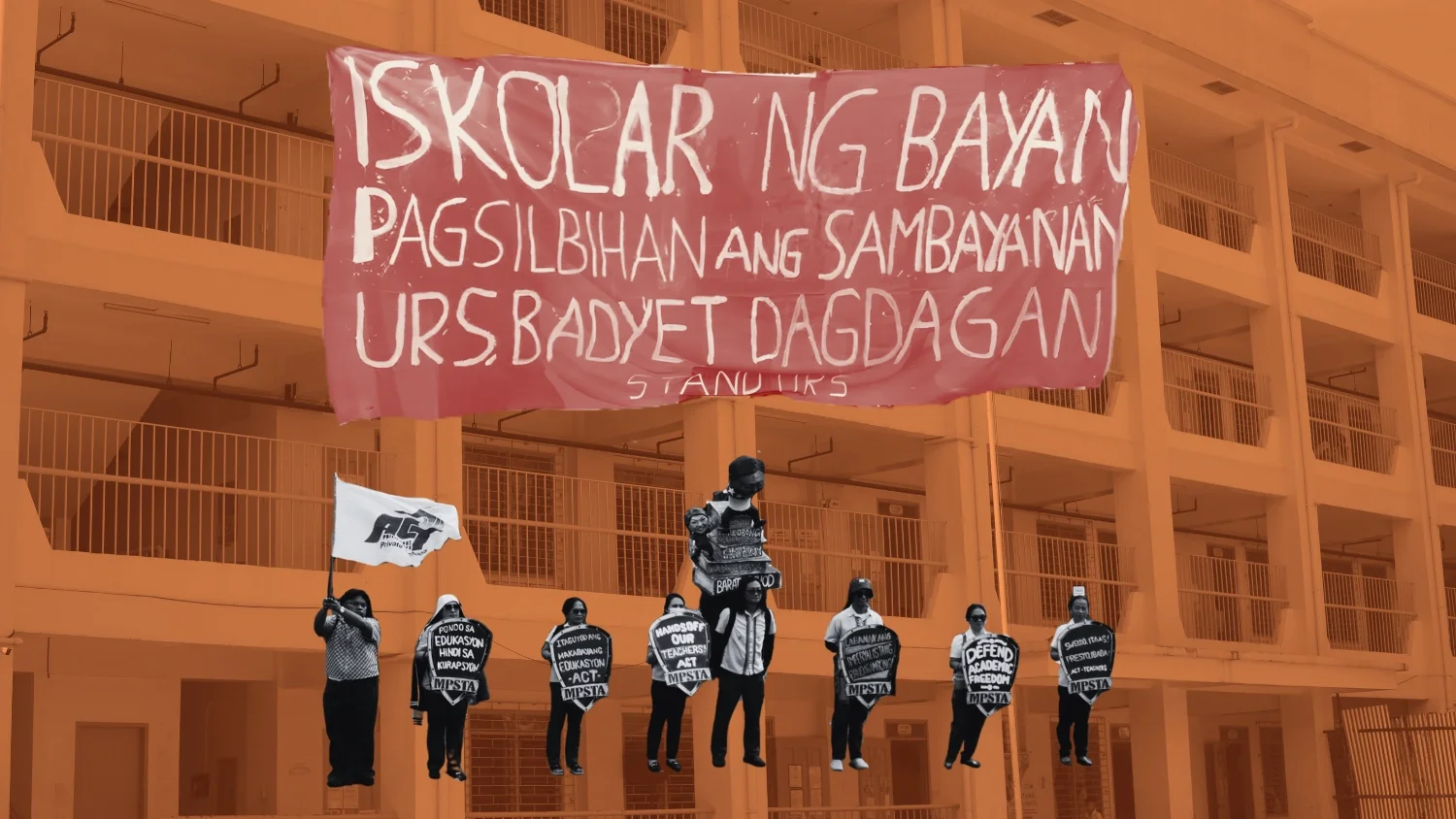
The Rights-based Approach to CHED’s Proposed Reframed General Education Curriculum
FEATURED ARTICLE
Are our college students overloaded with GE subjects? Perhaps. Should there be improvements in pedagogy and teaching quality? Definitely. Still, there is something profoundly limiting in the proposition that higher education must mainly serve as a training ground for job-ready adults.
Filter
- Arts and Culture
- CHED
- Civil & Political Rights
- Democracy and Governance
- Development and Progress
- Economic, Social, and Cultural Rights
- Education
- Education Rights
- Education System
- Food and Agriculture
- Gender & Sexuality
- General Education
- Governance & Democracy
- Government Services
- Health and Wellness
- Human Rights Defenders
- K-12
- Labor and Livelihood
- Media and Journalism
- Migrants
- Peace and Conflict
- Persons Deprived of Liberty
- Right to Quality Education
- Students
- Teachers
- War on Drugs
- Women and Gender
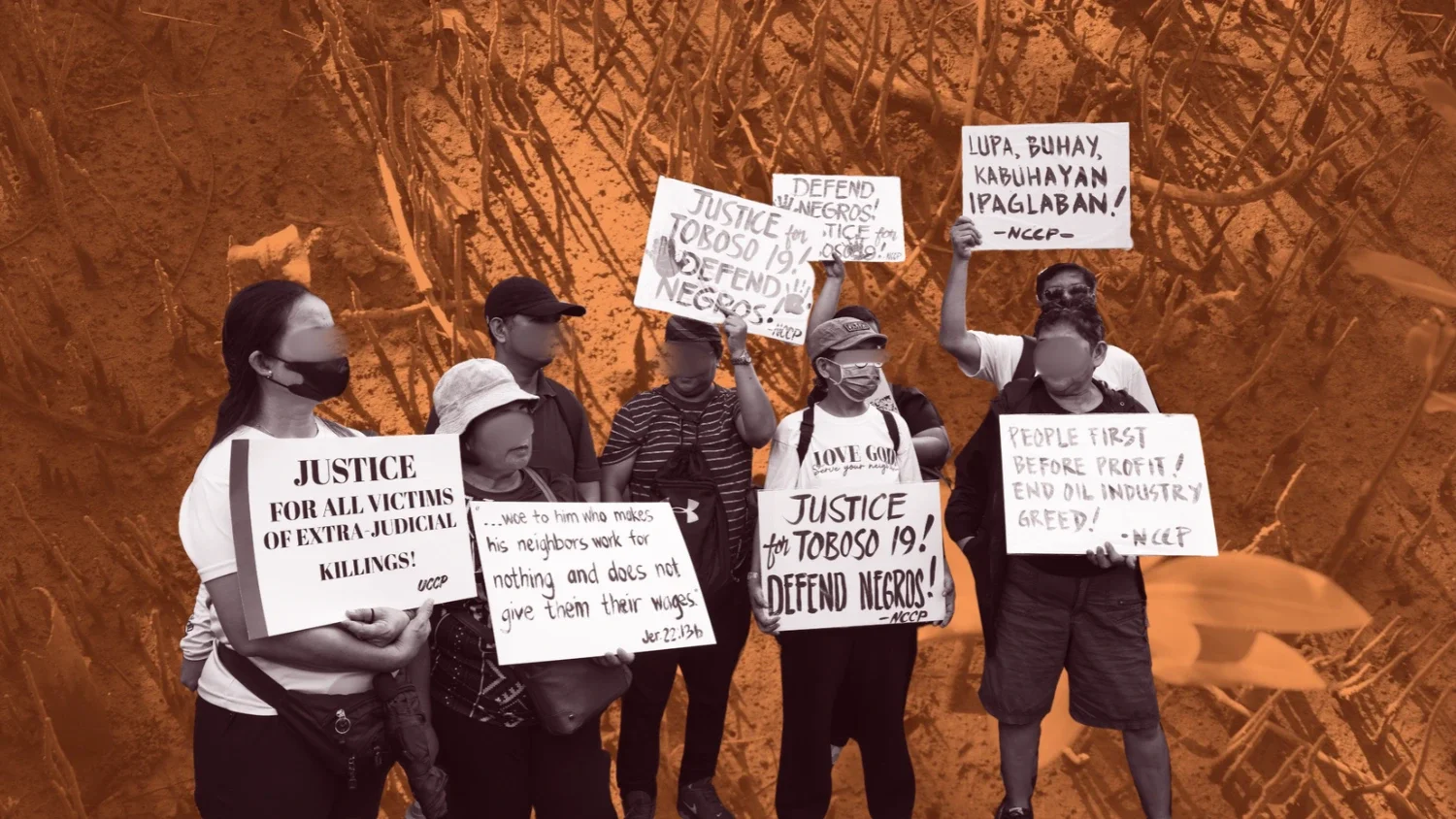
Toboso 19: When the Questions Tell the Story (Part 2)
A common refrain that emerged after it was known that civilians were killed in the Toboso operation was “Why were these civilians there?” Setting aside the fault-finding, and, yes, victim-blaming timbre of this question, it is important to consider that the events surrounding the killings of the Toboso 19 reach back to, and at the same time instantiate, the grim realities of Negros Island as a hotbed of violence.
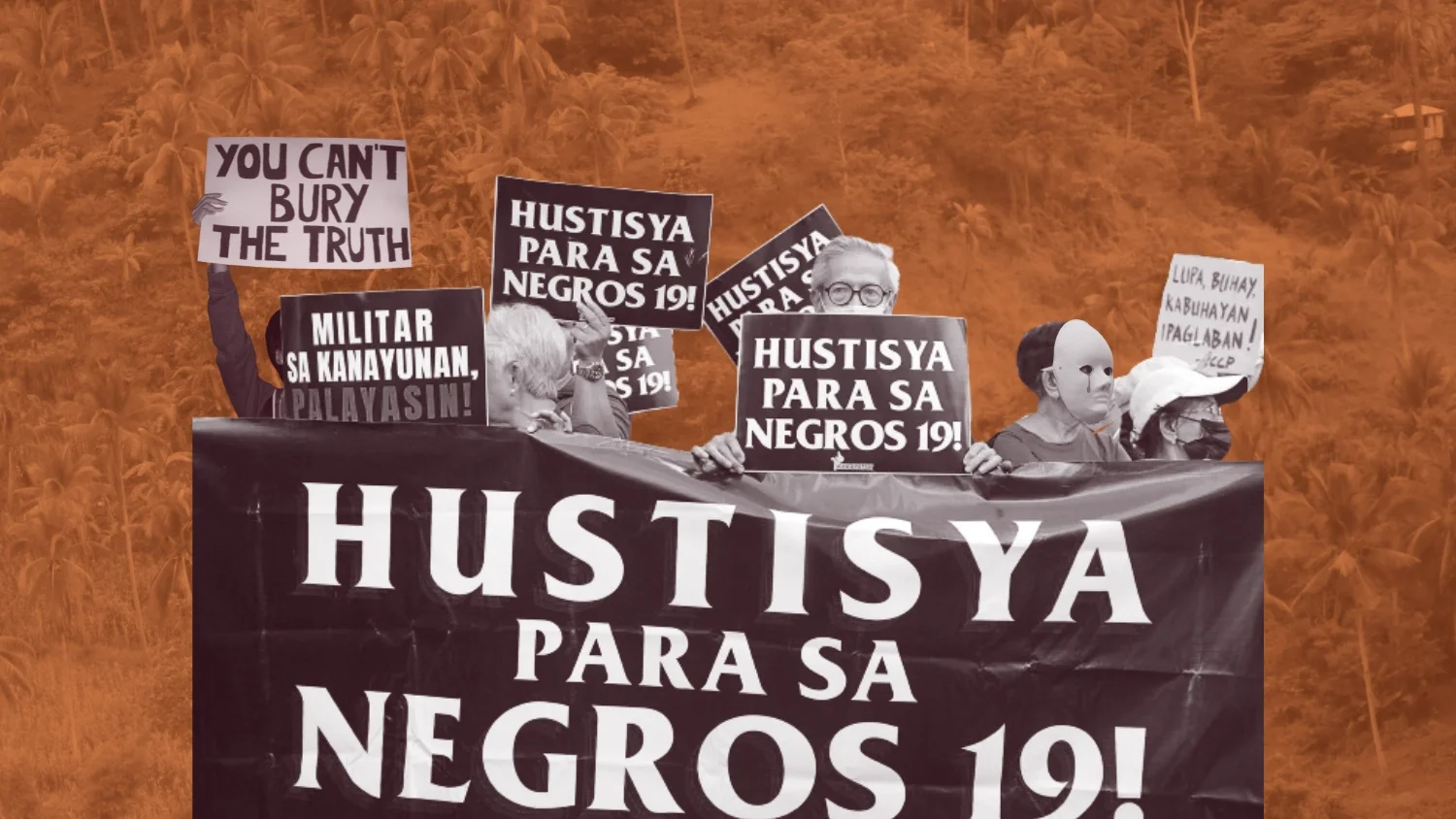
Toboso 19: When the Questions Tell the Story (Part 1)
“As Fortun succinctly puts it, “This is a homicide. May pumatay eh. Wala ba tayong accountability?” (“This is a homicide. Somebody committed killings. Don’t we have accountability?”)
That question of accountability rings loud and clear. The next question is equally urgent: will the Philippine government ensure or impede it?

The Rights-based Approach to CHED’s Proposed Reframed General Education Curriculum
Are our college students overloaded with GE subjects? Perhaps. Should there be improvements in pedagogy and teaching quality? Definitely. Still, there is something profoundly limiting in the proposition that higher education must mainly serve as a training ground for job-ready adults.

Not Everyone’s Sunshine: Class, Poverty, and Who Reproductive Rights Actually Protect
Who do reproductive rights actually protect? In this essay, Zoe interrogates the Philippines’ reproductive health framework through the lens of class, exposing how “choice” remains a privilege reserved for the few.

An Ode to my Mother, to the Manananggal, and to Womanhood
What does it mean to write an ode to a mother who is both familiar and unknowable? In this tender essay, Leanne braids memory, folklore, and lived experience to trace the fractures and continuities of womanhood. From the myth of the manananggal to the quiet violences women endure, she reflects on her mother’s sacrifices, the cost of survival, and the selves women are forced to leave behind. At once intimate and political, this piece invites us to imagine a world where women are not made monstrous, but are finally seen, protected, and whole.

Opisyal na Pahayag ng PhilRights: Legasiya ng People Power, Muling Isabuhay
Pinatunayan ng People Power Revolution ng 1986 na ang mulat at organisadong mamamayan ang tunay na gumagawa ng kasaysayan. Basahin ang opisyal na pahayag ng PhilRights sa ika-40 anibersaryo ng People Power sa taong 2026.
Help PhilRights raise the bar on human rights discourse in the country.